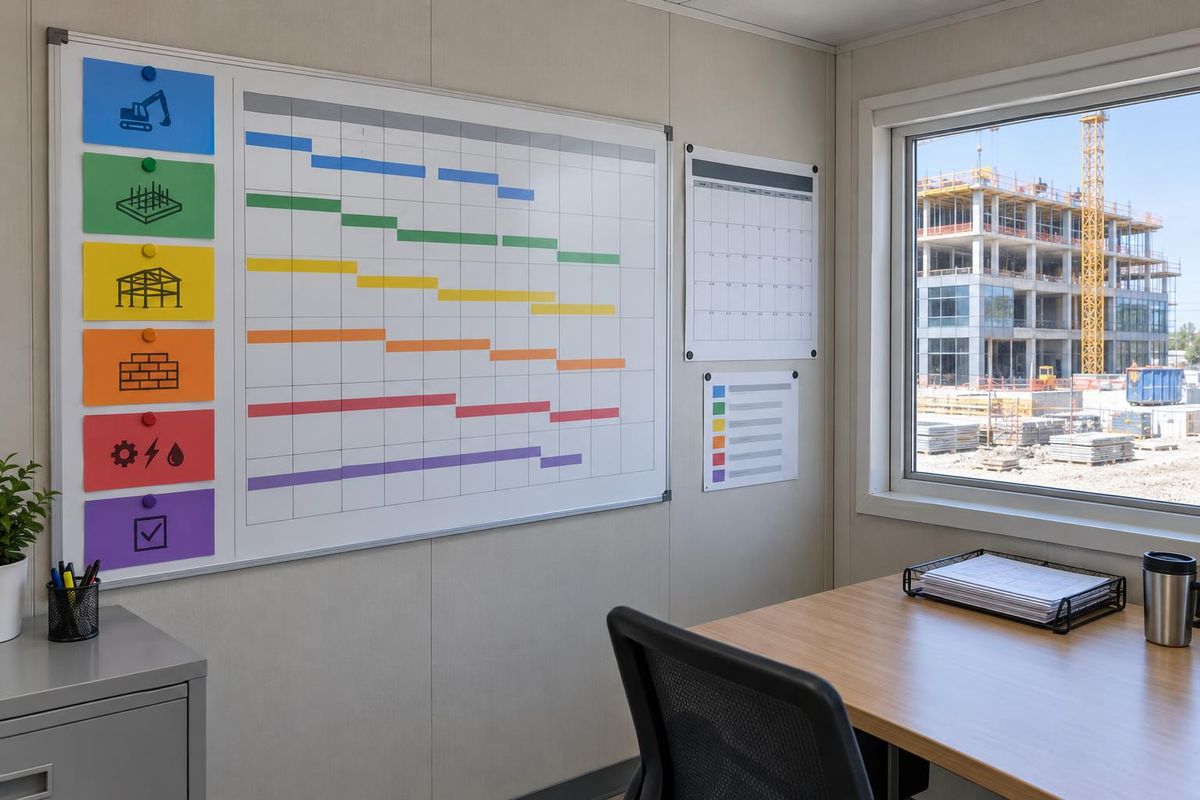
Key takeaways
- Permits and long-lead items often set the schedule more than construction does.
- Rough-in must pass inspection before walls close.
- Finishes go in last, so delays upstream squeeze them.
- A punch list and closeout are part of the schedule, not extras.
Before construction
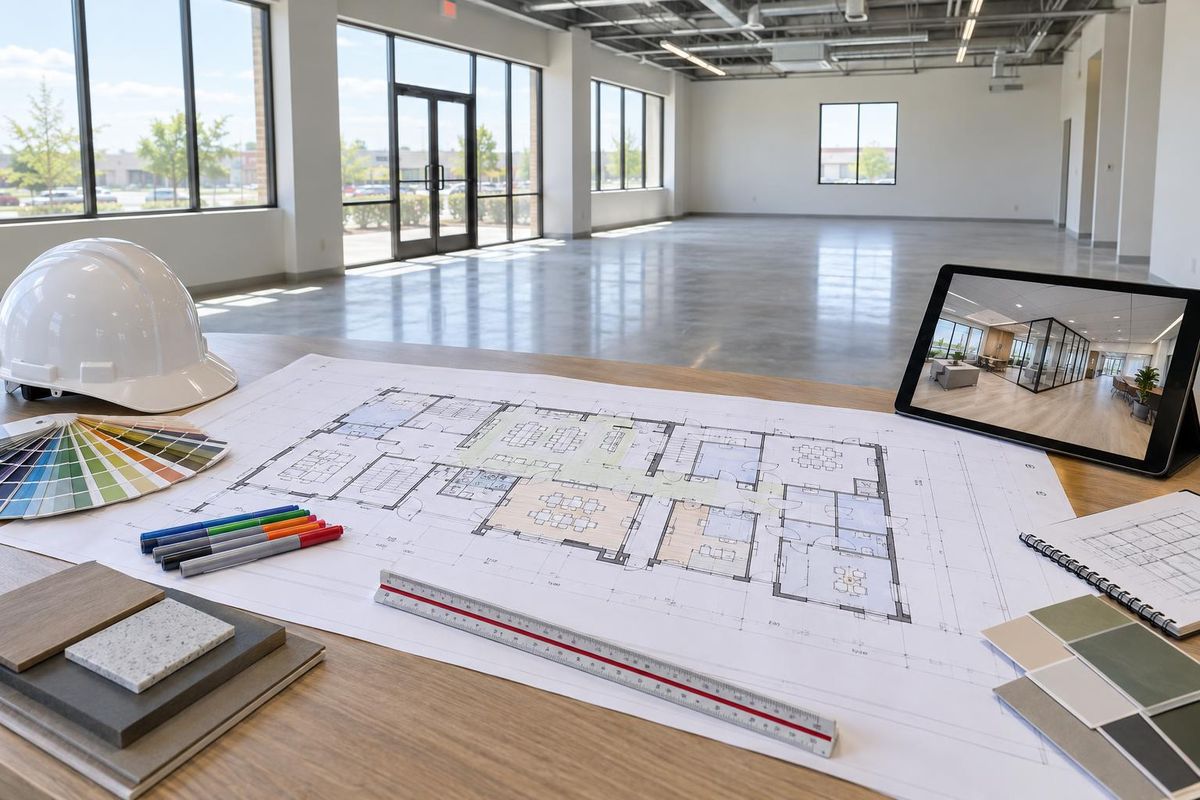
Planning, design, permit submission, plan review and ordering of long-lead items happen before work starts. Storefront glass, doors, hoods, light fixtures and specialty equipment can take many weeks to arrive.
This phase is often the longest, and decisions made quickly here protect the opening date.
Demolition and framing
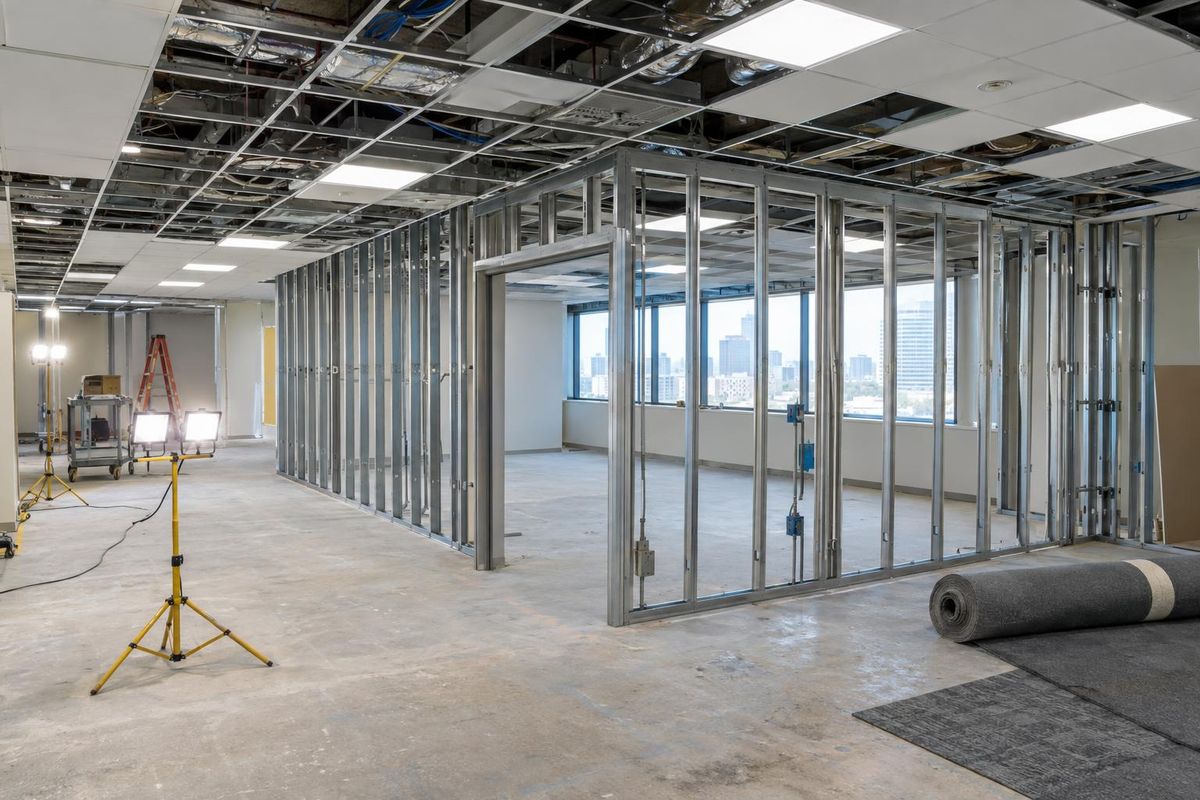
Existing finishes are removed where needed, floors are prepared and walls are laid out and framed. Demising walls, soffits and door openings are built to the plan.
Framing sets the geometry that every other trade follows.
Rough-in and inspections
Plumbing, electrical, HVAC, fire protection and low-voltage lines are installed before walls close. The building department inspects them before insulation and drywall.
A failed rough-in inspection stops the schedule, so careful coordination matters.
Finishes and closeout
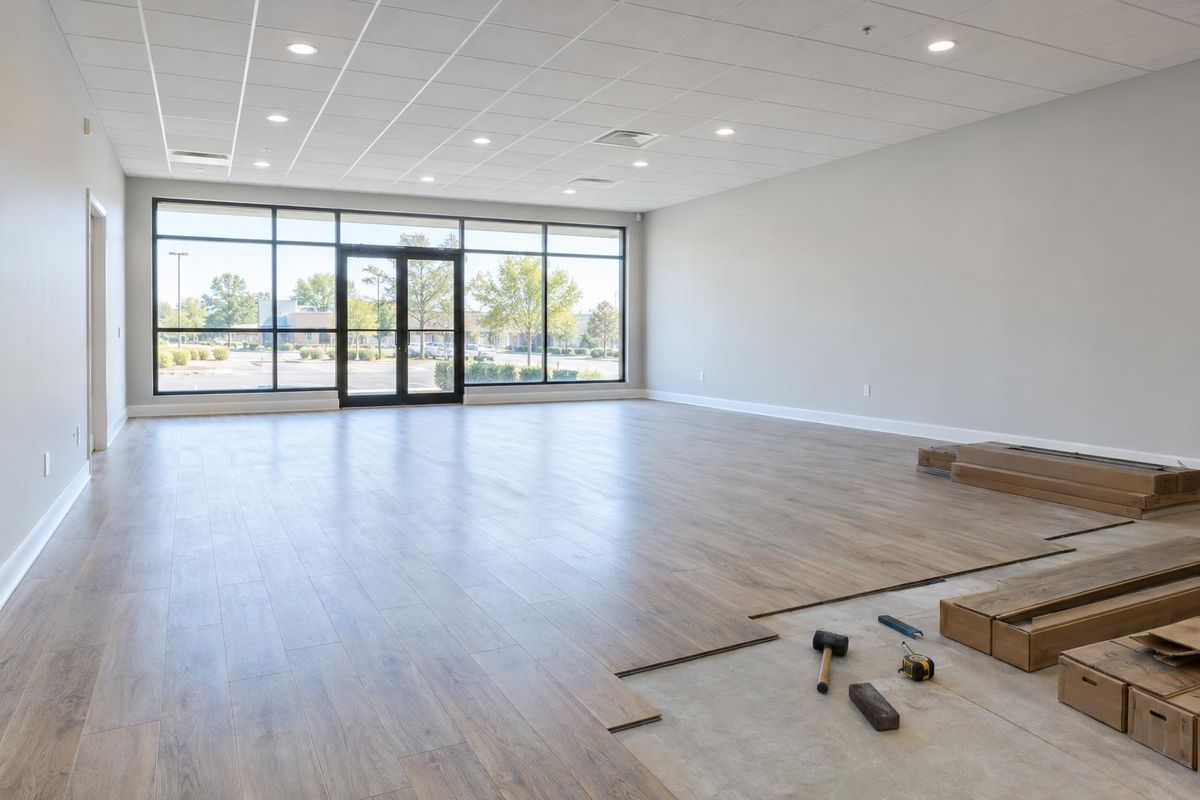
Drywall, ceilings, flooring, paint, doors, millwork, fixtures and equipment go in, followed by final inspections, a punch list and the final clean. Occupancy approval often depends on final inspections.
Allow time for corrections at the end. It is rarely zero.
Quick answers
How long does a typical build-out take?
It varies widely with size, use and approvals. A builder can give a realistic schedule once the scope is set.
What delays build-outs most?
Permits, long-lead items and late design decisions.
Can phases overlap?
Some can, but inspections and sequence limit how much.